
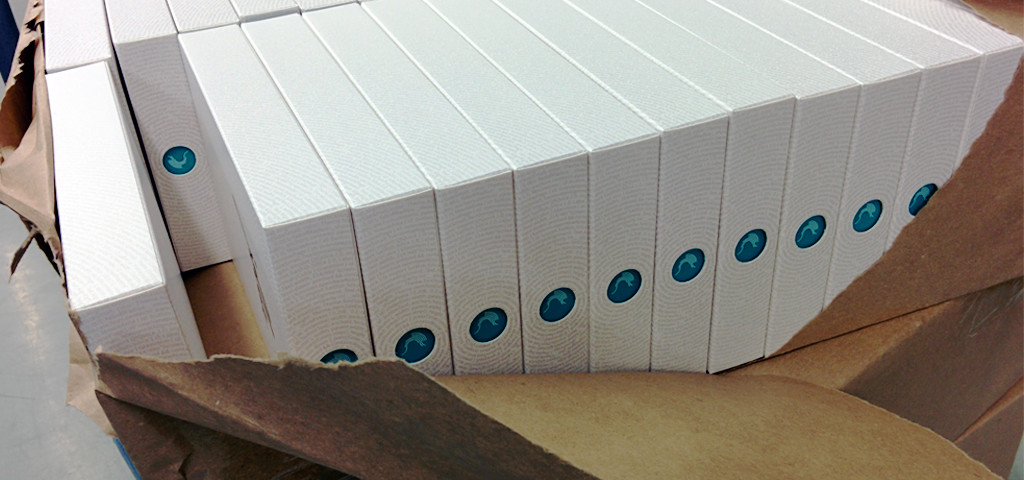
Our Jolla Tablet project is in full force, and here’s an update of the latest developments:
Last week (week 31) was a very busy week for us and our partners in China, as we worked together to make sure that the pre-production batch has all the final changes needed for mass production. As expected with device manufacturing, there were occasional problems, especially given that this was the very first build to include all of the final components and packaging for the Jolla Tablet. From the original schedule posted last week, we were delayed by a couple of days, but we made it up during the weekend, and this first batch is now complete and looks great! Developer loan devices are packaged, additional devices for internal testing are completed, and they are all ready to be sent. Akin to the previous post, I will describe some steps of the process in more details below, although I cannot reveal every single detail due to certain NDAs (non-disclosure agreements) that are in place, as explained previously.

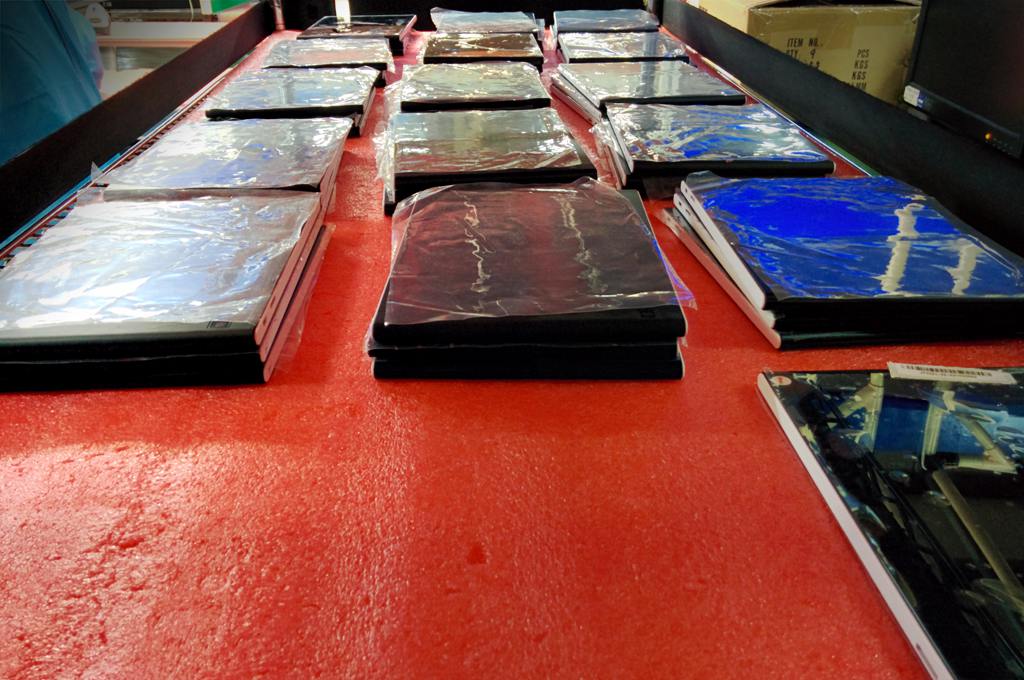


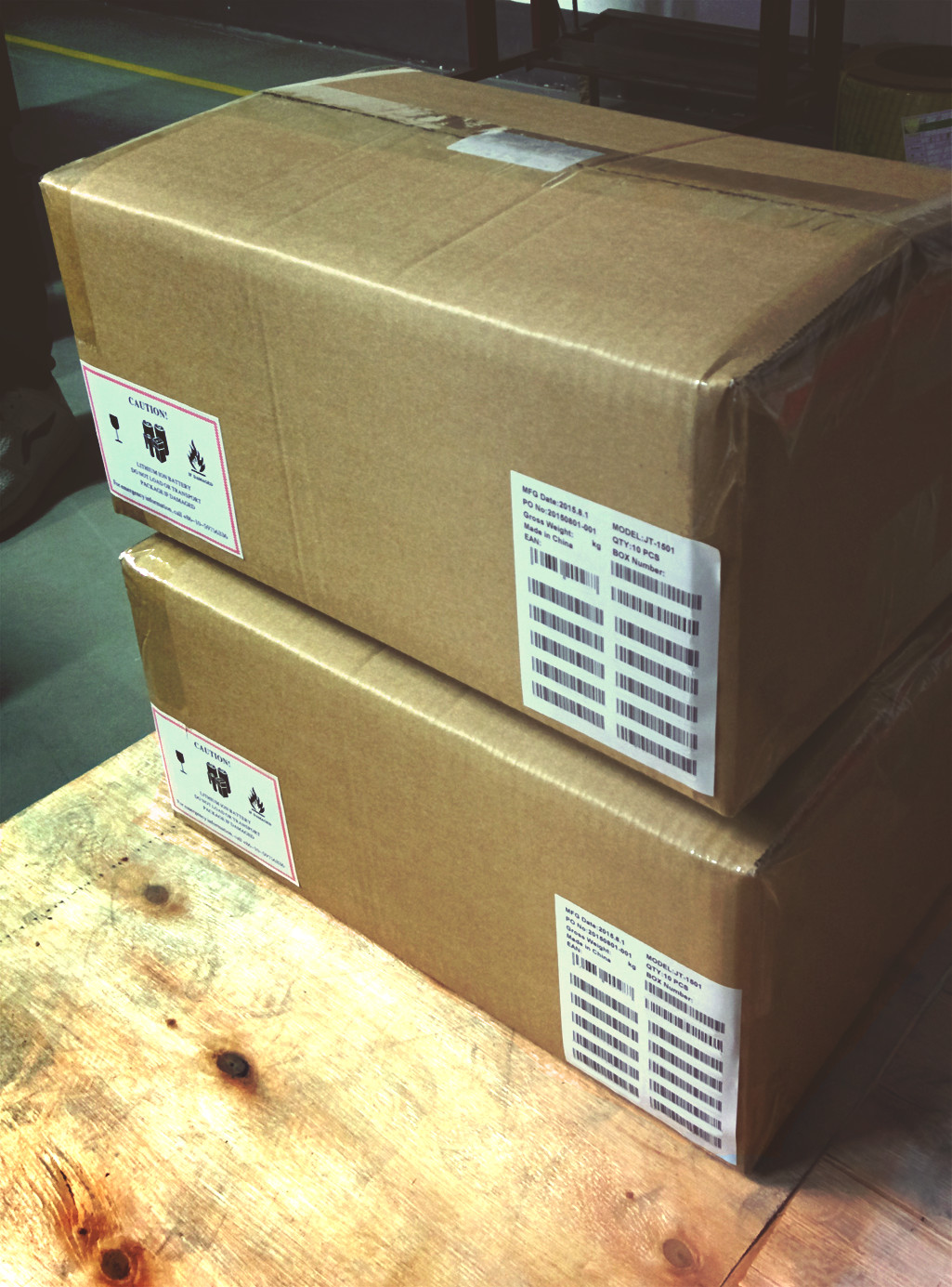
Initial delays in week 31
The original plan was to finalize SMT (Surface-mount technology) on the 28th, which looked very promising with all the electrical components ready except the PCB (printed circuit board) on the 27th at the SMT factory. We hit our first snag due to logistics, as the flight carrying the PCBs from the PCB factory to the SMT factory was delayed for a couple of hours. This delay was short, and we started assembling the boards as planned without major issues.
Next, we faced some unforeseen issues with our flashing scripts, which contain the software that puts Sailfish OS onto the eMMC (embedded multimedia card) of the device. Solving these issues took a while, mainly because they were noticed late in the evening. Because of this, the testing planned for July 29th was delayed until the 30th.
Typically, the software flashing (sometimes called downloading) to the PCB is done during the assembly of the board in order to verify that the PCB itself is OK before the actual tablet is assembled. To verify the PCB, it is placed in a test fixture with all connected cables so we can check that the connections for display, camera, speaker, microphone etc. are all working. It might seem like an extra step as many of these tests are also performed after the device is fully assembled, however as the final tablet assembly happens some days later at a different location, this helps to ensure that there are no problems with the PCB during the concluding assembly steps.
More surprises in store
While the PCBs were being tested, preparations for the remaining material were ongoing at the assembly factory. This includes all mechanical, electro-mechanical, and packaging parts, as well as checking that the materials meet Jolla’s acceptance criteria for the build. Given earlier delays with material preparation and board delivery, we had to agree on a new schedule with the assembly factory. This factory has also other customers and preparing the line takes some time and requires more resources to be made available.
PCB testing was completed on July 30th at the SMT factory. This batch of PCBs was sent to the assembly factory for a targeted production slot on the 31st. Much to our chagrin, we discovered that the machine which glues the front housing to the back of the laminated display+touch+glass assembly was broken. Repairing it took some time and we missed the planned slot on Friday, which means we had to reschedule once more.
Making up for lost time
We really wanted to maintain the shipping schedule for the devices, so we discussed with the factory and agreed on overtime work on Saturday, August 1st. Jolla tablet assembly started with the front housing, onto which various smaller components such as the camera module are connected, then the PCB, followed by flex cables taking the display and touch signals from the PCB. After assembling the front housing, the battery is inserted along with the speakers and the microphone. Once all these are in place, we assemble the back plate and run the test software to verify that everything works as it should. Testing includes all hardware features such as display, touch, USB, MicroSD, sensors, audio etc. If they pass all the tests, the final screws are inserted along with the decorative parts.
At long last, around 11am on August 1st, the first device from the assembly line was complete, and we must say the display looks very good and is now something we do approve, including all other modifications for improving the quality and performance of the device. When device assembly was complete, finishing checks were carried out with our design team to verify that things look as they should. Batteries were charged a bit so that when you receive and unbox the tablet, it will boot up with no problems.
Being the first build of the Jolla Tablet at this factory, quite some time was spent teaching the new factory personnel how to assemble the tablet and the related acceptance criteria for quality as defined by Jolla. This added some time towards finalizing the build. This was also the first time we fully packaged the tablets on the factory line. After the very long day on Saturday, the Jolla team left the factory around 9pm for our local accommodation, and a well-earned but “slightly” delayed dinner.
In the end, we made it. The devices were built in week 31 despite all the surprises and challenges we encountered. The next steps will be getting the logistics ready for the shipment of tablets that will start their journey to the Developer Program members. More information about that will be provided in an upcoming blog post.
Best regards,
Sage